
The Quiet Power of Convenience Retail
I talk a lot about human connections. In a world accelerating towards AI and virtual reality, is human connection something we still all actively seek?
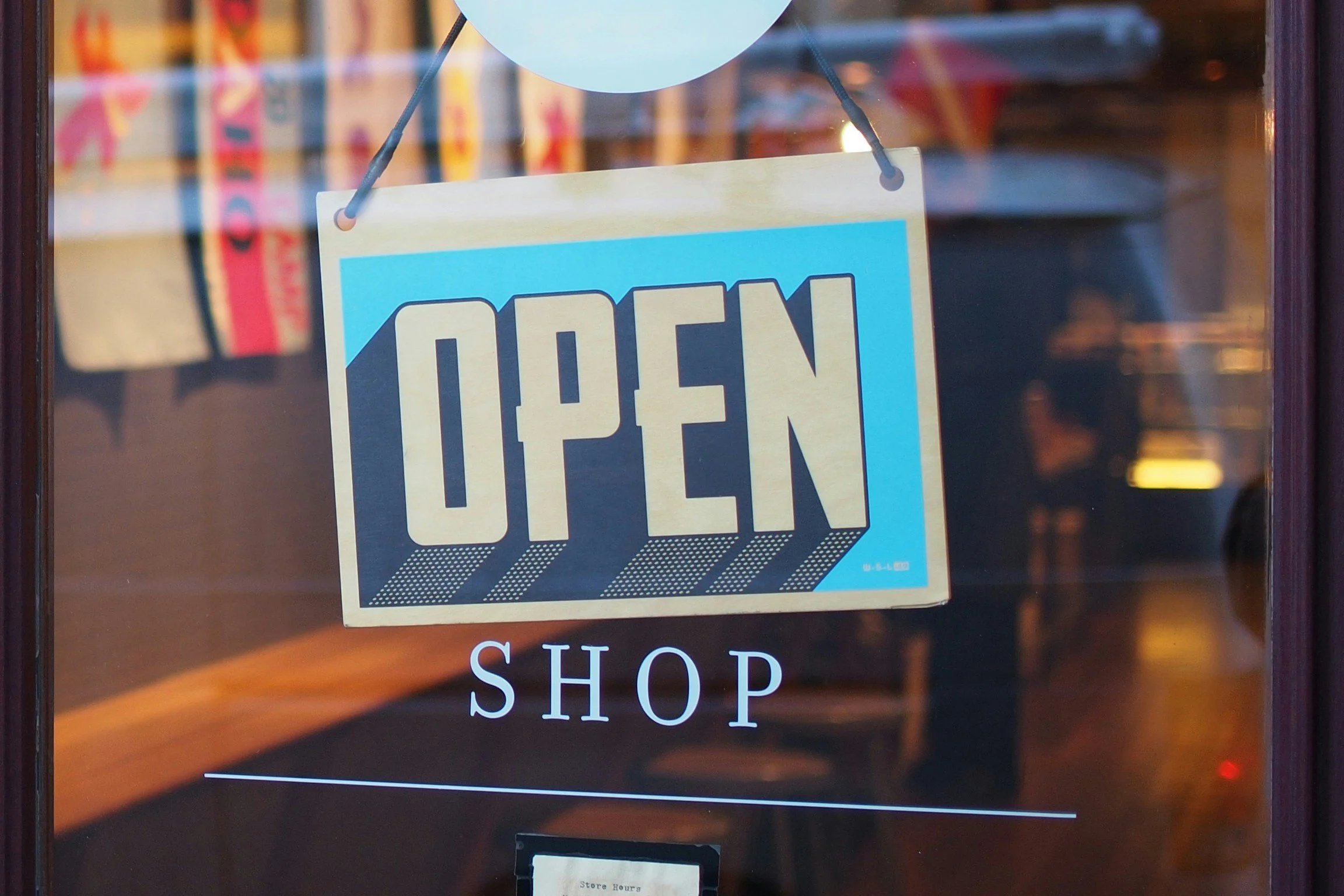
I recently spent time visiting multiple convenience retailers across London. Different postcodes, different fascia, different store sizes, yet the similarities between them were far more striking than the differences.
Convenience retail is often described as “local”, but that undersells its true value. These stores sit at the centre of their communities in a very real, human way. Retailers don’t just recognise faces. They know routines, preferences, and patterns. If a store trades 24 hours a day, it meets everyone within its community. Early-morning commuters. Late-night workers. Parents, students, shift staff. Convenience retail is where daily life plays out.
These are busy, crowded spaces. Every shelf and every fixture has intent. A multitude of goods are packed into environments that are in constant motion. It is retail at full pace.
What stood out most, however, was the fight for brands to cut through. In a space this crowded, attention is scarce. Shoppers are decisive and price-conscious. Most visits are intentional. A daily top-up, a forgotten ingredient, an emergency restock. People arrive knowing what they want.
That makes impulse a rare and valuable opportunity and one that cannot be won by noise alone.
Advocacy and influence are terms we hear in abundance, but this is where the human connection matters most.
Retailers in convenience stores are not passive gatekeepers of shelf space. They are trusted advisors. A quiet recommendation at the till. A product is pulled forward because “people like this one”. A substitution is suggested when something is out of stock. These moments shape choice in ways that price flashes and branded collateral simply can’t.
A retailer’s advocacy carries weight because it is personal. It is grounded in familiarity and trust built over hundreds of small, everyday interactions. In convenience retail, a nod or a word from the person behind the counter can outperform any floor graphic or clever merchandising.
For brands, success in this environment is not about complexity. It is about clarity and partnership.
Simple, transparent pricing. A clear and easily understood offer. Packaging and displays that respect the constraints of the space. Products that are easy to recommend, easy to replenish, easy to trust, and most importantly, profitable.
Brands need to invest in the relationship. If brands want retailers to prioritise their products, they need to prioritise retailers. Shape meaningful incentives and respect the value of conversations. Understanding their realities matters. Quality of product matters, but so does the quality of support behind it.
Convenience retail may be small in footprint, but it is deeply human in influence. Brands that recognise the power of the retailer, not just the shelf, will always have the advantage.