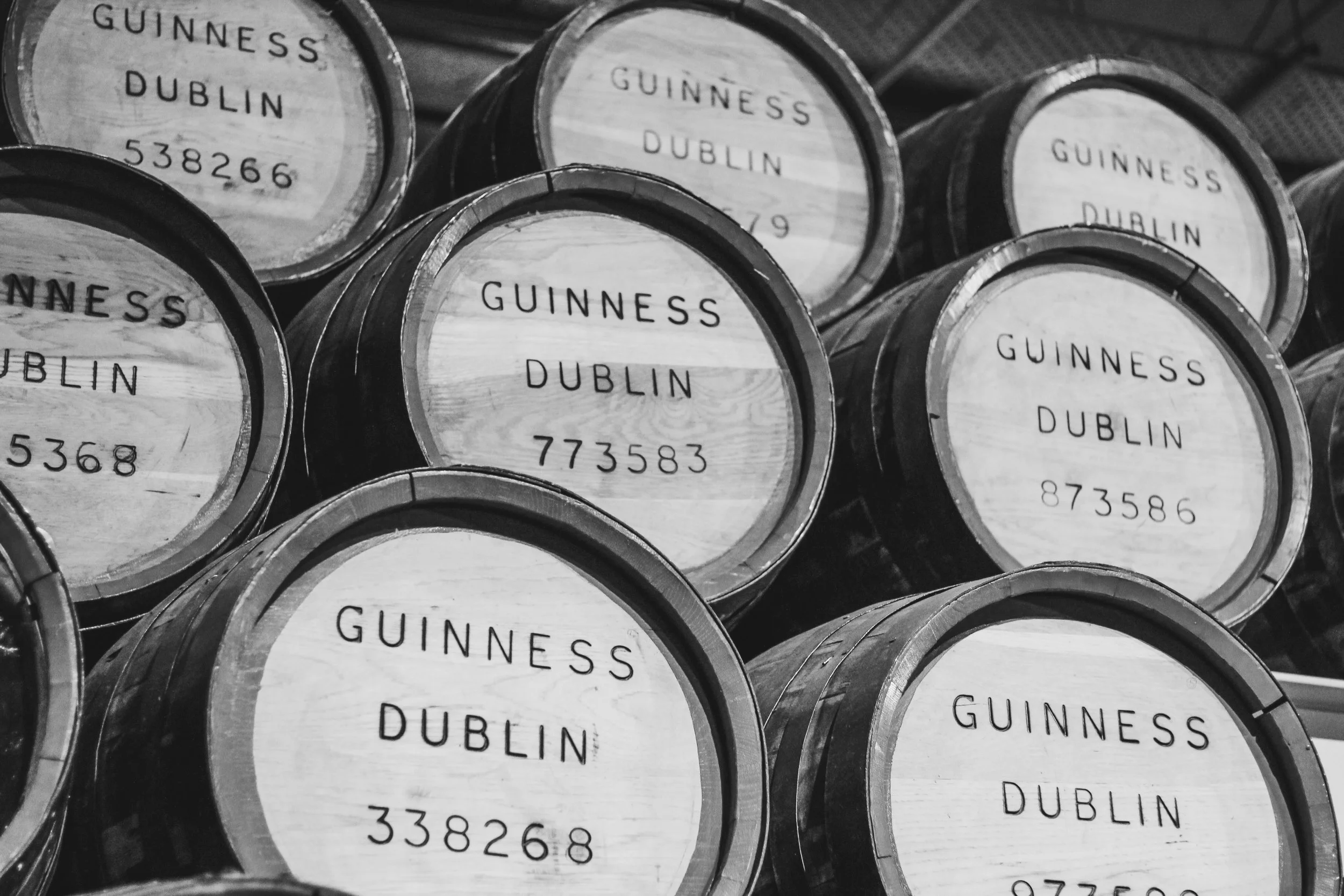
For years, Guinness felt synonymous with winter. Dark nights, cosy pubs and the run-up to Christmas. Yet somewhere along the way, that changed.
Today, Guinness has a year-round presence, from pub gardens and sporting events to social feeds. Its success isn’t because stout has suddenly become fashionable; it’s because Guinness has grown beyond the category itself.
More Than Just a Pint
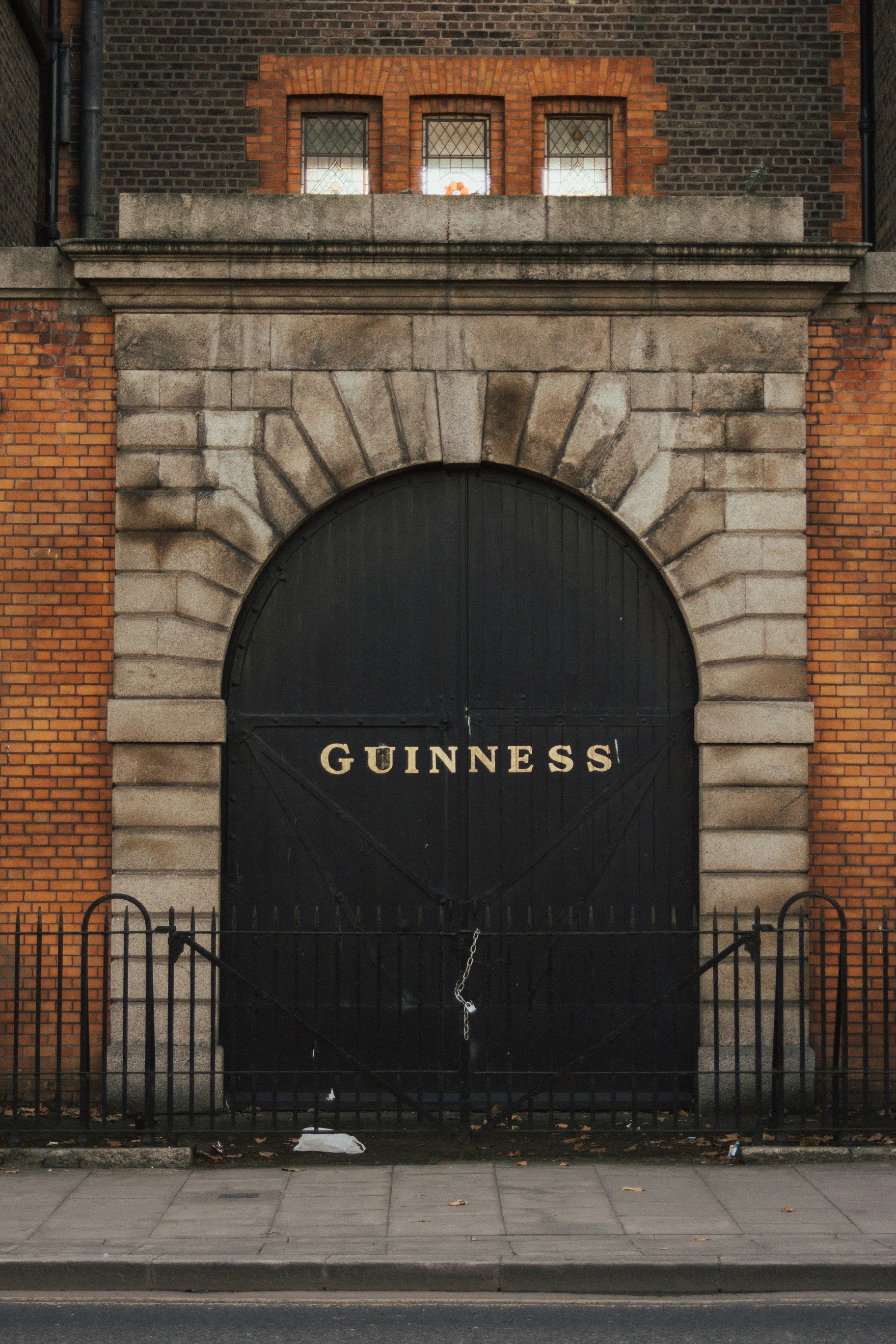
Founded in Dublin in 1759, Guinness has spent more than 260 years building one of the most recognisable brands in the world. According to Guinness, over 10 million glasses are enjoyed every day around the world, and 1,883,200,000 pints are sold every year! And its success has led to continued investment, including the recently opened Guinness Open Gate Brewery in London's Covent Garden, its first permanent Guinness destination outside of Ireland. It’s giving consumers another way to engage with the brand beyond the pub.
Why Guinness Feels Different Today
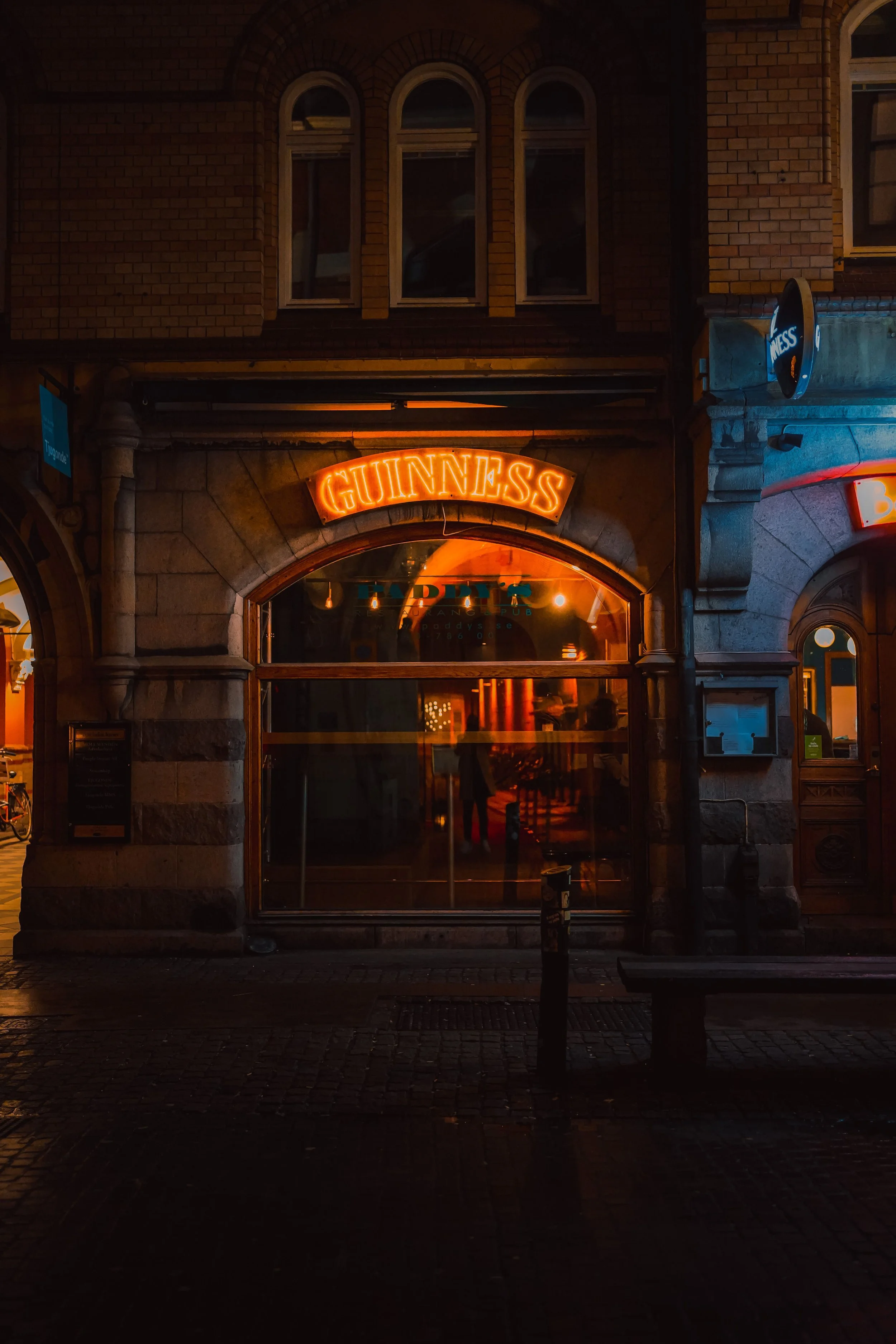
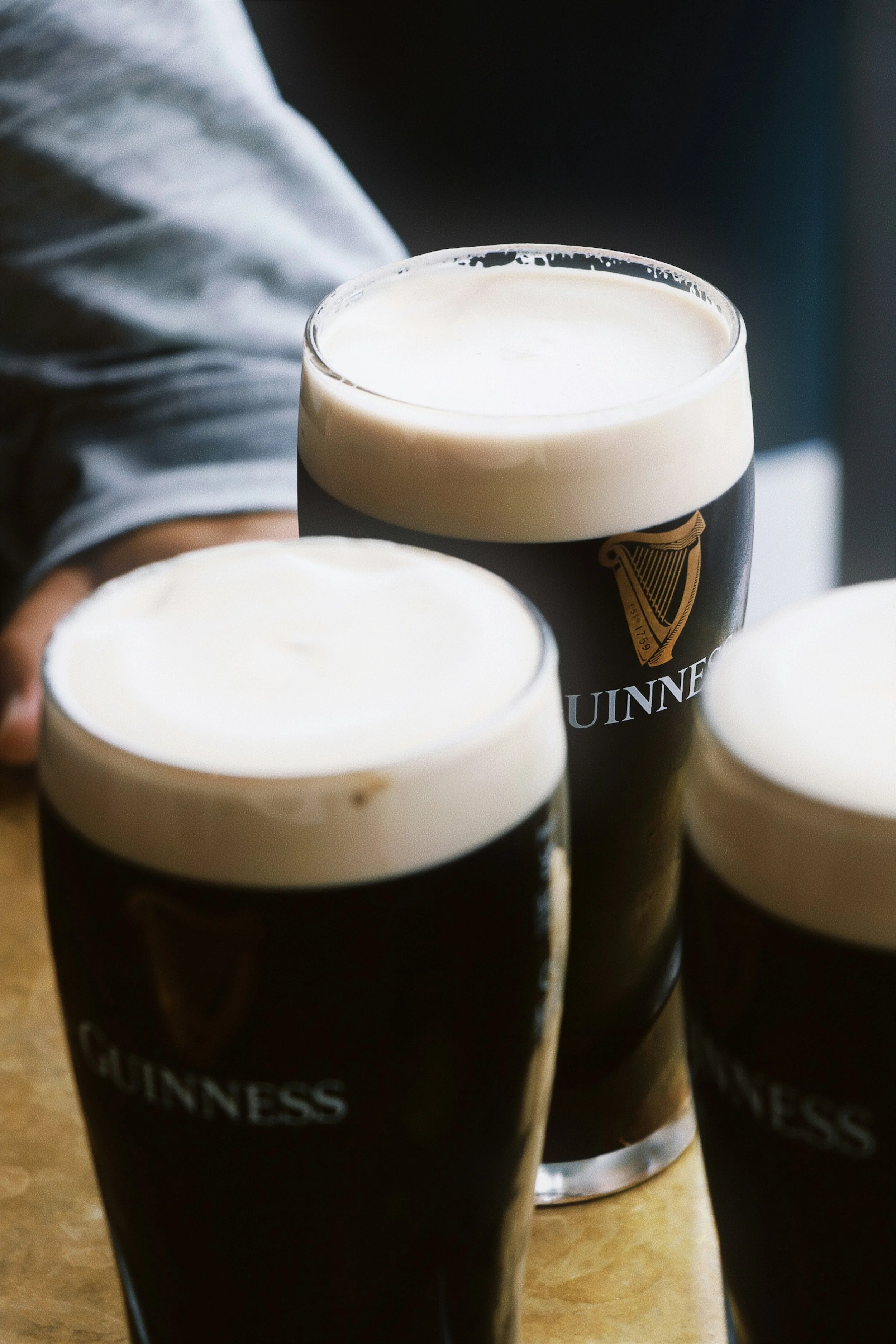
Most drinks brands spend years trying to reinvent themselves to stay relevant. Guinness, on the other hand, did quite the opposite. The iconic black pint, the distinctive glassware and the famous two-part pour remain largely unchanged. Instead of changing the product, Guinness has broadened the behaviours and occasions.
Social media has helped amplify Guinness as a cultural ritual. Trends like ‘Split the G’ have turned a simple pub moment into shareable content, with drinkers filming their attempts and creating a new way to engage with the brand. Rather than forcing relevance through new formats or flavours, Guinness has benefited from consumers making the brand part of their own social experiences.
Guinness recognised the changing drinking habits early. Rather than treating alcohol-free as a separate proposition, Guinness 0.0 was created in 2020 to deliver the same taste, look, and experience as the original, just without the alcohol. Meaning that Guinness found a way to stay relevant without asking consumers to compromise on the experience. Consequently, Guinness 0.0 has become one of the most successful alcohol-free beers, with sales continuing to grow strongly. The Irish Times states that Guinness 0.0 volumes across cans, draught and micro-draught formats in Ireland grew 35% in the year to March 2025. Therefore, showcasing that Guinness 0.0 hasn’t just attracted existing Guinness drinkers looking to moderate, it has helped introduce the brand to new consumers and new occasions.
Guinness continues to weave itself into culture. Its recent partnership as the Official Beer of the Premier League places the brand at the heart of one of the UK's biggest cultural passions, while its long-standing association with the Rugby Six Nations has made Guinness almost inseparable from rugby culture.
Beyond sport, the brand continues to invest in experiences. From the recently opened Guinness destination in London to immersive visitor attractions such as the Guinness Storehouse in Dublin and the newly launched House of Guinness on Netflix, the brand isn't only selling beer; it's creating places where people can experience its heritage firsthand.
If Guinness Is Growing, Why Isn't Stout?
This is perhaps the most interesting question. If stout is booming, why hasn't the rest of the category grown with it?
Murphy's and Beamish, both owned by Heineken, remain significantly smaller than Guinness despite decades in the market. BrewDog's Black Heart has attracted attention but accounts for only a fraction of Guinness' volume. Perhaps the clearest example came in Ireland itself. In 2021, Heineken launched Ireland's Edge, a lower ABV stout specifically designed to challenge Guinness. Despite significant investment, the brand failed to gain traction and was delisted in just 2 years, suggesting that consumers simply weren't willing to switch.
To me, this shows that consumers aren’t just buying into stout as a beer style; they’re buying into Guinness. It’s the heritage, the ritual, the branding and the cultural status that comes with it. Ordering a Guinness feels very different to ordering a stout, and that’s a powerful position for any brand to own. So, I would say that Guinness hasn’t just won the stout category; it has arguably become the category.
What Happens Next?
Looking ahead, I don't think Guinness needs to reinvent itself. Instead, I expect the brand to continue broadening the occasions where it feels relevant and can connect with current and new audiences in culturally meaningful ways.
The Final Pour…
To conclude, it’s clear that Guinness hasn’t just dominated the stout category; it’s become bigger than the category it sits in. There are plenty of huge brands who’ve tried to launch rival products but have failed as they’re unable to replicate the thing that makes Guinness so powerful and unique. Because consumers aren’t just ordering a stout, they’re ordering Guinness and buying into the cultural status associated with the pint.