The Serve of the Summer: RTD Cans
If you've been to a festival, walked past a supermarket chiller or spent time on social media recently, you'll have noticed that ready-to-drink cans are everywhere. From Aperol Spritz and Absolut to AU Vodka and a growing number of challenger brands, RTDs have evolved far beyond a convenience purchase. They have become one of the fastest-growing categories in alcohol.
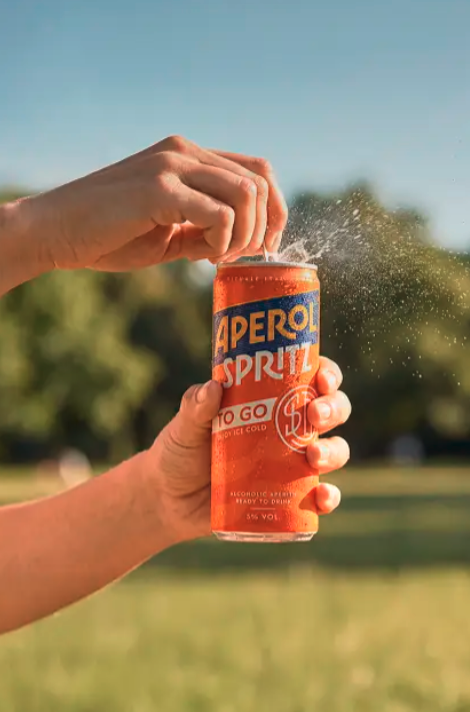
The Aperol Spritz ritual, reimagined for life on the move.
What interests me most is that RTDs no longer behave like a traditional drinks category; they feel more like a lifestyle category, shaped by occasions. The question, for me, isn't whether RTDs are having a moment, but how they got here and where they go next.
Where Did RTDs Start?
The RTD category dates back further than many people realise. Its roots can be traced to Japan in the 1970s, when brands began selling canned serves such as Gin & Tonics and Whiskey and Coke, long before the UK's alcopop boom of the 1990s with brands like Smirnoff Ice. The appeal was simple, approachable flavours, accessible alcohol and no mixing required. However, these early products often struggled with perceptions of being overly sweet and lacking authenticity.
Fast forward to today, and the category looks very different. RTDs are now aligning themselves with cocktail culture. Rather than masking the taste of alcohol with sweetness, brands are recreating cocktails that consumers already know and love, from Espresso Martinis to Margaritas. Consequently, this has had a positive impact! A recent article in The Spirits Business reported that RTD sales exceeded £700 million in the UK off trade in 2025, highlighting the category's continued growth. And that the demographic primarily includes younger adults, particularly those aged 18-34.
Why Are RTDs Growing?
At first glance, the obvious answer is convenience. But I don't think convenience alone explains why RTDs continue to outperform many traditional alcohol categories.
For me, the real driver is the combination of convenience and quality. Consumers increasingly expect premium experiences with minimal effort, whether that's food delivery, streaming services or online shopping. RTDs fit perfectly into that mindset. They offer bar-quality serve without the need to buy multiple ingredients or spend time mixing drinks, making them ideal for occasions such as picnics.
What I find particularly interesting is how RTD brands are positioning themselves. They're no longer just selling drinks; they're selling experiences. The most successful brands are popping up at festivals and sporting events, creating moments consumers want to be part of. Aperol Spritz is a prime example, as people aren't choosing one simply because they're thirsty; they're choosing it because it represents a particular occasion. The RTD format simply makes that experience more accessible.
According to IWSR, RTDs now account for 3.5% of all alcoholic drinks served across the world's leading RTD markets, up from just 1.1% in 2014. To me, that demonstrates how the category has evolved from a niche convenience product into a mainstream choice for consumers.
The Brands Getting It Right
Historically, RTDs were often built as standalone brands, but today some of the world's most recognisable drinks brands are using RTDs as an extension of their existing brand equity. This allows consumers to enjoy brands they already know and trust in new formats and on new occasions.
A great example is Aperol. In 2026, Campari Group launched Aperol Spritz To Go, bringing one of the UK's most popular cocktails into a portable canned format. What stands out to me is that the launch wasn't about creating a new drink but about making an existing ritual accessible on more occasions, which has proved extremely popular.
Absolut has taken a similar approach through experiential activations such as its Cooler Club at Coachella, connecting RTD products with music, culture and social experiences. Meanwhile, brands like AU Vodka have shown how strong social-first branding can translate effectively into RTDs, particularly among younger consumers who are drawn to familiar brands and shareable moments.
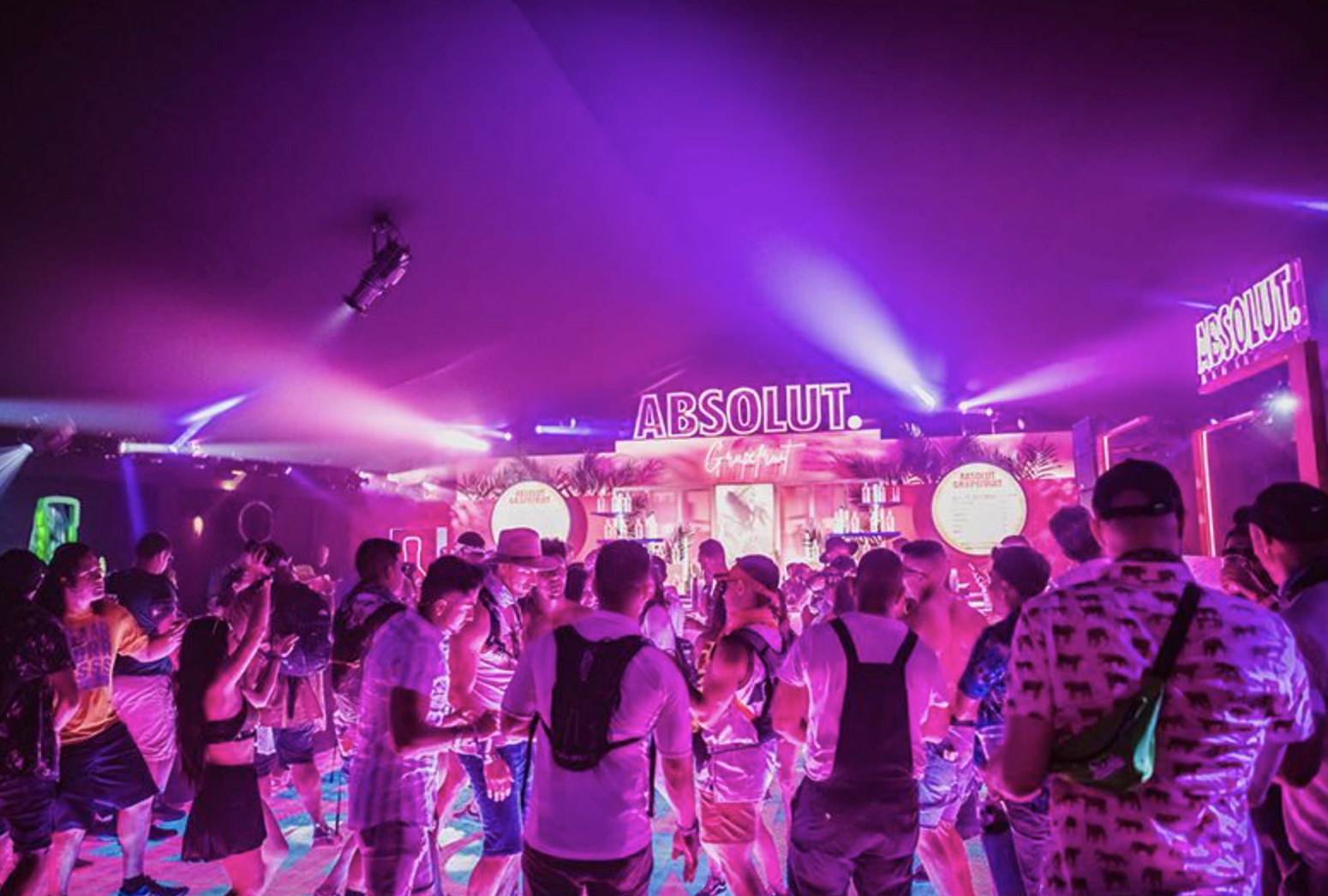
Absolut's Cooler Club at Coachella shows how RTDs are increasingly being sold through culture, music and experiences, not just supermarket shelves.
With these examples in mind, I don't think convenience is the common theme; it's familiarity. Consumers are increasingly choosing brands they already have a relationship with, and RTDs give those brands another way to show up in consumers' lives through more occasions.
What Happens Next?
Looking ahead, there are 3 trends that I think will shape the future of the RTD category.
1. The continued shift towards premium RTDs
Consumers are increasingly willing to pay more for trusted brands and higher-quality services. As a result, I expect more established spirits brands to launch RTDs that replicate their most popular cocktails.
2. The rise of the spritz
The success of brands like Aperol highlights growing demand for lighter, more refreshing drinks that align with moderation trends, so I expect spritz-style RTDs to continue gaining interest.
3. The experience will become as important as the drink
As the category becomes more crowded, packaging and liquid quality alone won't be enough. The brands that succeed will be those that create experiences, tap into culture and show up in the moments that matter to consumers.
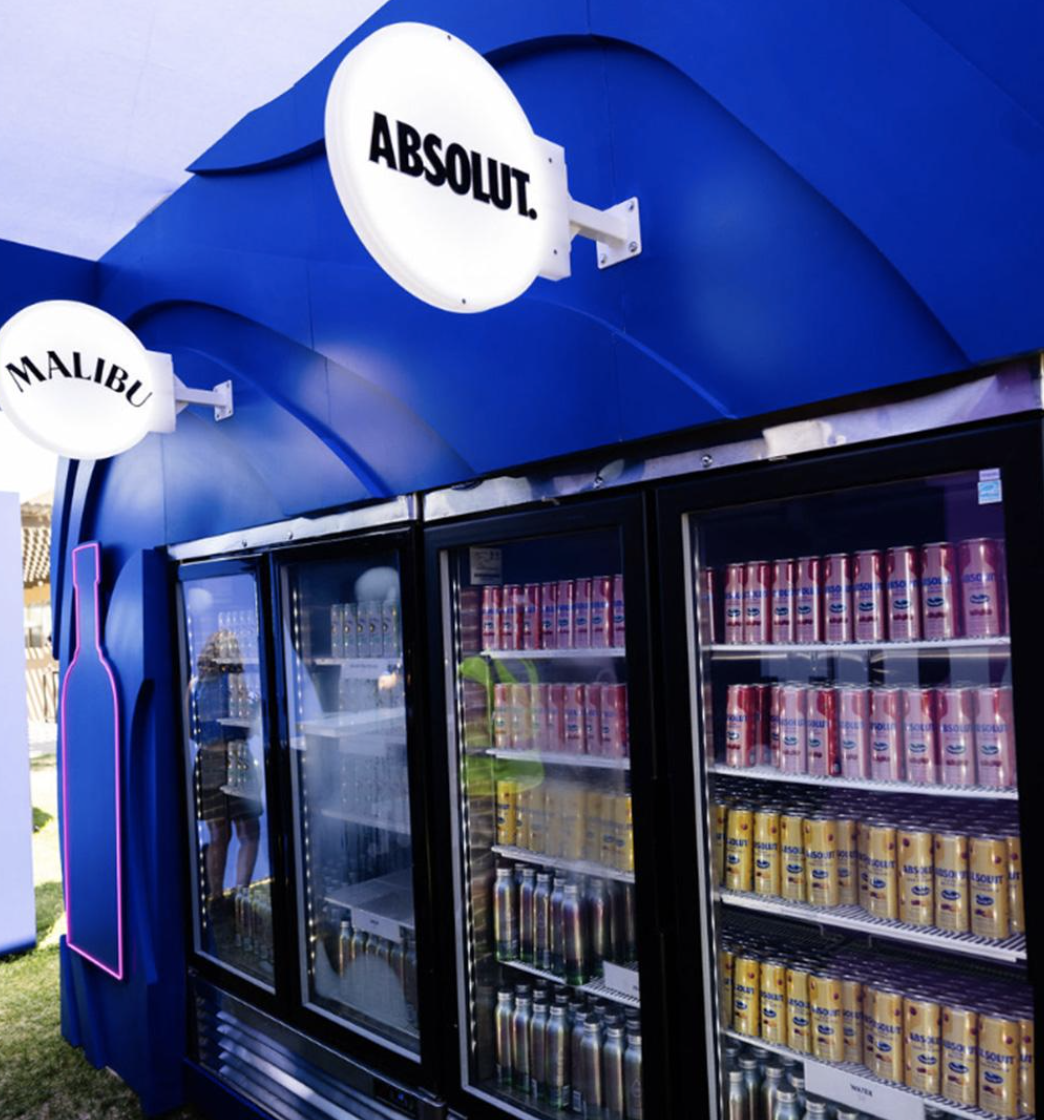
As competition grows, strong branding and standout visibility at the point of purchase are becoming just as important as the drink inside the can.
The Final Pour
For me, the RTD category is a great example of how consumer expectations continue to evolve. What started as a convenience-driven category has transformed into something far more experience-led. The can is the format, but the real product is the occasion. And right now, RTDs seem to be finding their way into almost every occasion that matters.